Showing posts with label Background Issues. Show all posts

Access

Tuesday, April 1, 2014

        Students who are in higher poverty areas do not have access to programs that would accelerate their education like preschool. They start off their lives lacking in cognitive development, limited vocabulary, and limited learning experiences. (Darling-Harding, 2010) Many students end up dropping out and not graduating because this was a trend set by parents, siblings, or friends. Students tend to " fall through the crack." (Darling-Harding, 2010) Many of theses students are going to struggle at school with using technology for learning. Students who have access are going to have a jump start and will go further than those who do not have previous experience.

     If a student does not have adequate access, they might as well not have any access at all. If I was using high speed internet at school, then had to go home to a computer that was as slow as dial up, I think I would just give up! The ISTE (International Society for Technology Education) is recommending that the FCC "maintain optimal services" for school districts.(Goldmann, 2007) This means" students, teachers, and community members will continue to enjoy access without delay to valuable online material and resources...) (Goldmann, 2007)
       

Professional Development


     Teachers who have always used chalk and the chalkboard are now seeing this be replaced by large, white, interactive boards. Many of them are not utilizing their new technology, usually because they just do not know how! Schools need to provide professional development for teachers who have been introduced to new forms of technology. They need to have the chance to get to know the technology before having to use it in front of the classroom.
     Technology is improving the ways teachers can share, develop, and recognize teacher knowledge. Blogs, sites like TeachersPayTeachers, and Pinterest are all ways teachers can get new ideas and develop their professionalism. Visiting other teachers' rooms in your own school will give you new ideas, but online there is an infinite amount of ideas that teachers from all over the US! This can help spread knowledge and help teachers create meaningful lessons for their students.

Funding


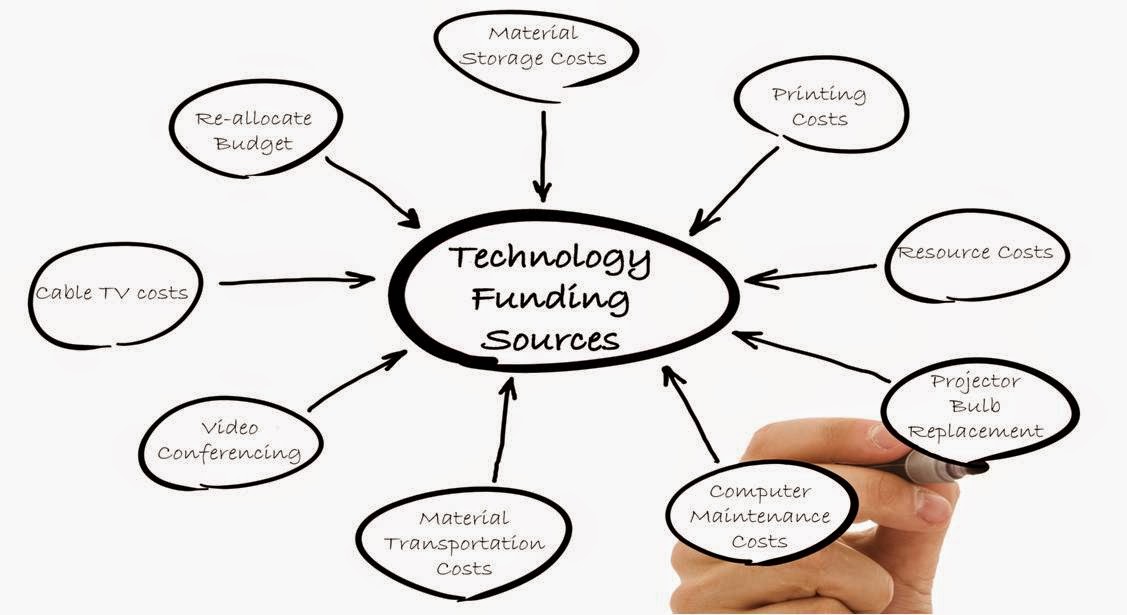
     Several schools across America simply cannot afford to provide students with adequate resources to become 21st century learners. High poverty areas are seeing overcrowding and inadequate teachers in their schools. (Darling-Hammond, 2010) Technology is not a high priority in schools such as these. They are facing limited resources, such as books and materials for their students as it is, without trying to create funds for extra technology.
      Creating smaller groups for schools is one I see as a major challenge in large districts with limited funding. They just cannot afford to hire more teachers or to add classrooms in overcrowded areas. Smaller class sizes help ensure more one on one time with the teacher and a more personalized curriculum. Ideally every classroom would be twenty or less students. I see this as a perfect number. Smaller classrooms can equalize time on the available technology for students. When you have five computers per classroom of around twenty students, they will be able to have more time to access those computers compared to a classroom of twenty-five or more. 


Risk

     Technology is essential for learning and teaching to adequately prepare students.Schools all around the nation are beginning to prepare their learners for the 21st century. High schools are going one to one with digital hand held devices. Unfortunately, many of these devices sit and collect dust because the teachers are too afraid to use them. When students have readily available access to the internet, especially when the angle is not where the teacher can see, is risky business for educators. Rather than assume risk, teachers are avoiding using the internet at all.

    This is where policies come to play. Schools need to introduce an acceptable use policy for their technology. Districts also need to have a filtering system that will help filter out objectionable content for students. Teachers can allow students more freedom online and feel more at ease. Students can also be taught at a young age how to utilize the internet and other technologies properly.

Powered by Blogger.

Hello Bar

Search This Blog

Quietest Pencil Sharpener

Instagram

Flickr Images

Like us on Facebook

Back to Top